
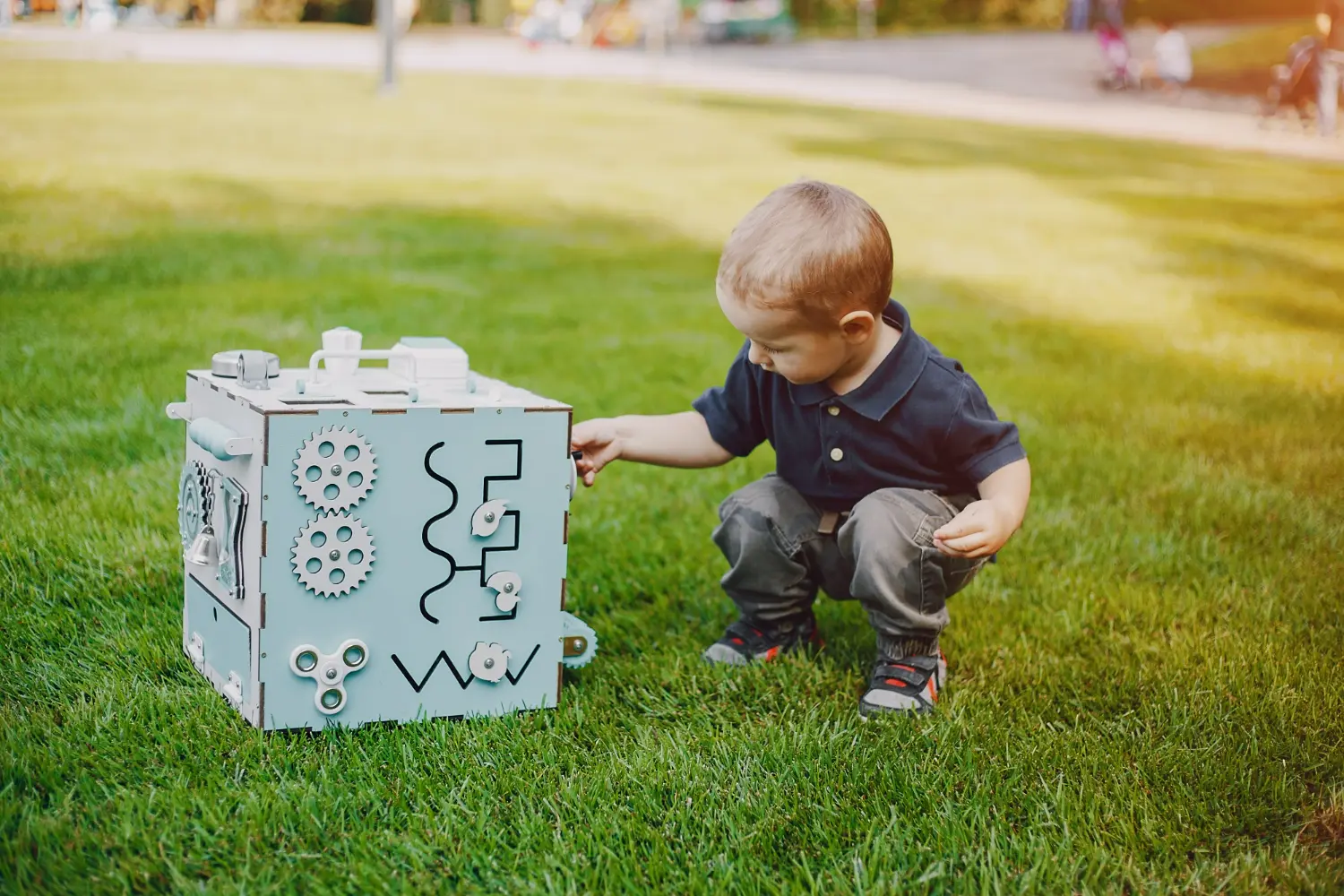
The sock seam is wrong. The blender is too loud. Someone bumps into your child at school and the rest of the afternoon falls apart.
From the outside, these moments can seem completely unrelated. But for a child who processes sensory information differently, they may all be connected.
Sensory processing is how the brain receives, organizes, and responds to information from the senses. That includes the familiar five senses, along with systems that help us understand movement, balance, and where our body is in space.
When that information feels too intense, too faint, or difficult to organize, everyday experiences can become much harder.
There is no single trick that works for every child. The most useful natural approaches to helping kids with sensory processing begin with understanding your child’s individual patterns and finding practical ways to support participation in everyday life.
Source: Magnific
Start by Looking for Patterns
Before buying another sensory toy, pay attention to when your child struggles.
Does getting dressed consistently lead to frustration? Does your child cover their ears in crowded places? Do they crash into furniture, chew on objects, avoid messy play, or seem unable to sit still?
Keep a simple note of:
- What happened immediately before the reaction
- What sensory input was present
- How your child responded
- What seemed to help
- Whether hunger, fatigue, stress, or a change in routine was also involved
Patterns can tell you much more than a single difficult moment.
Sense Able Brain’s guide to sensory processing and its different subtypes is a useful starting point for understanding why two children with sensory challenges can respond very differently to the same environment.
Build Movement Into the Day
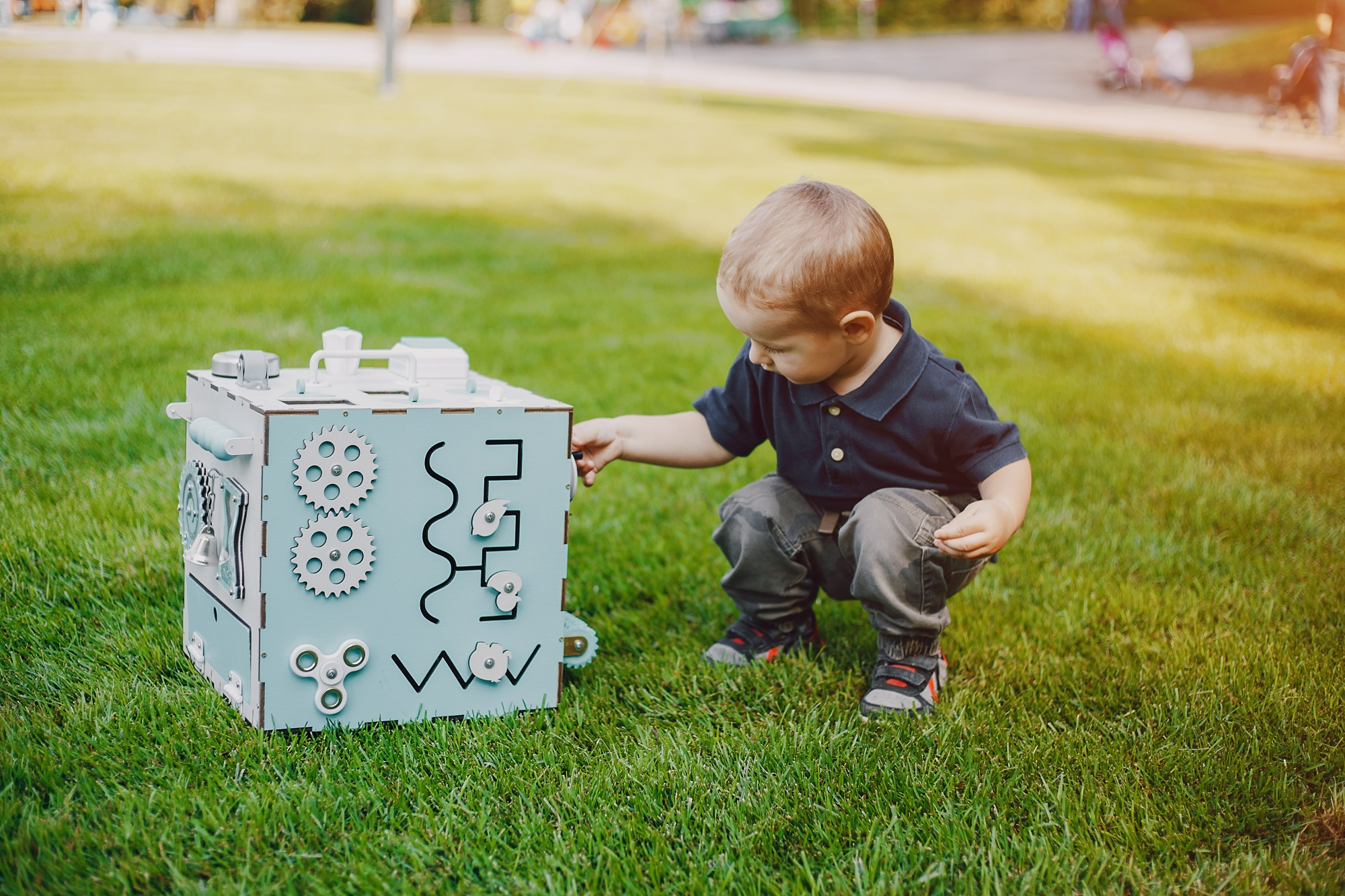
Some children seem to seek movement constantly. They may jump, spin, climb, crash, or have difficulty sitting through meals and schoolwork.
Rather than expecting them to suppress that need all day, providing appropriate opportunities for movement may help.
Depending on your child’s age and abilities, that could include:
- Playground time
- Riding a bike or scooter
- Jumping
- Climbing
- Animal walks
- Dancing
- Carrying groceries or other age-appropriate objects
- Outdoor play
Movement should have a purpose beyond simply “getting energy out.” Pay attention to how your child responds. An activity that helps one child become organized and calm may make another more alert or overwhelmed.
Create a Calmer Environment When Needed
Sometimes the easiest way to support a child is to change the environment instead of asking the child to tolerate more.
If mornings are chaotic, laying clothes out the night before can remove one source of stress. If homework becomes impossible with the television running, create a quieter workspace. If crowded stores overwhelm your child, shopping during less busy hours may help.
Small environmental adjustments can make participation easier without requiring your child to constantly push through discomfort.
Examples include:
- Lowering unnecessary background noise
- Using softer lighting when possible
- Creating a quiet area at home
- Choosing comfortable clothing
- Giving advance notice before loud sounds
- Allowing breaks during busy activities
- Keeping routines reasonably predictable
These aren’t about eliminating every uncomfortable experience. They’re about giving your child’s nervous system enough support to participate successfully.
Source: Magnific
Make Sensory Activities Meaningful
A sensory activity does not need to come from a special kit.
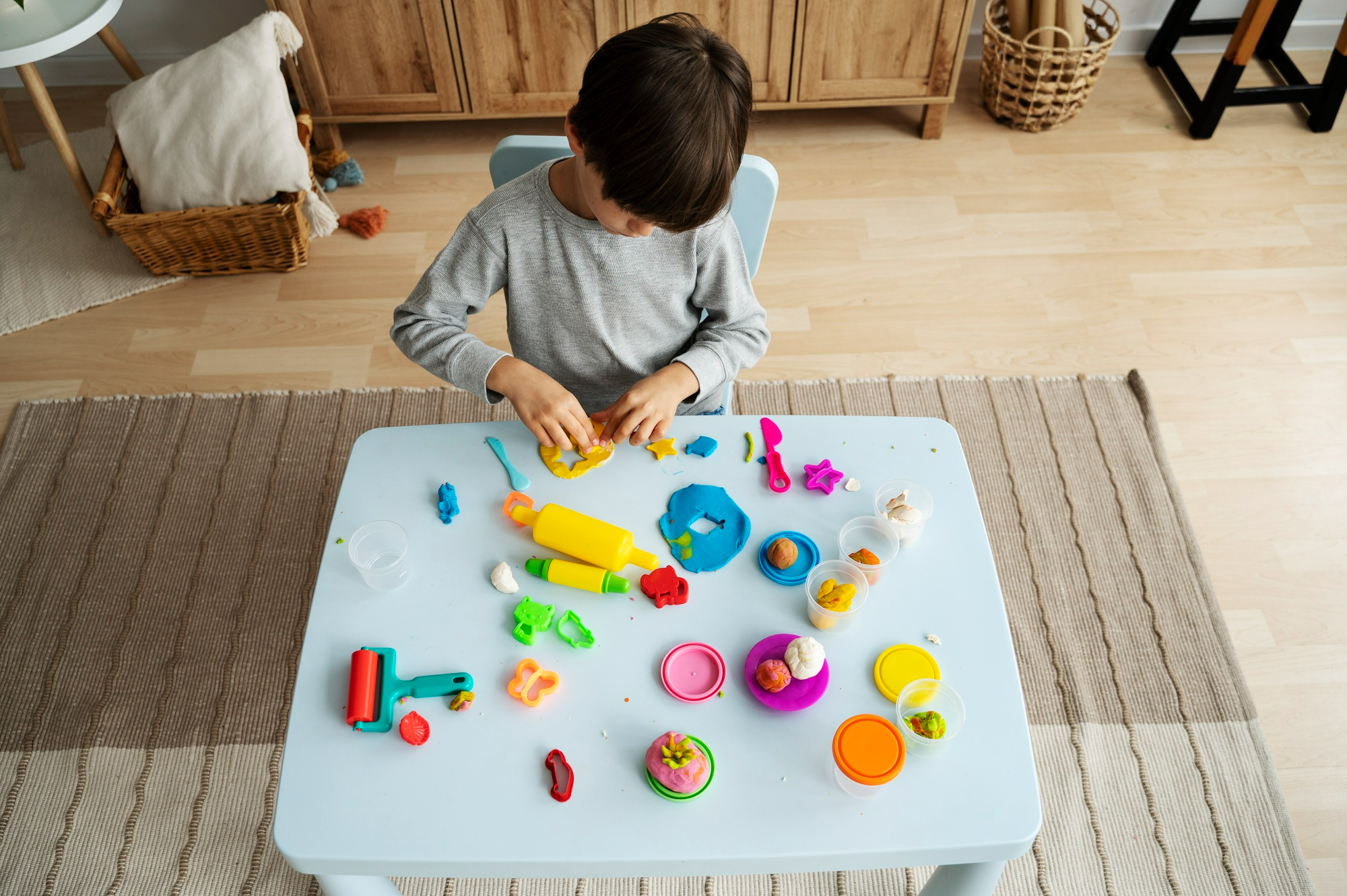
Cooking, gardening, playing outside, washing the car, building with blocks, drawing, kneading dough, and helping with household tasks can all provide sensory experiences while also building real-life skills.
For example, baking together can involve touching different textures, smelling ingredients, pouring, stirring, measuring, and using both hands together.
The activity has a purpose, which often makes it more engaging than sensory input offered in isolation.
This emphasis on participation is important. The American Occupational Therapy Association explains that occupational therapy for sensory processing challenges focuses on helping people participate in meaningful activities at home, school, and in the community.
Don’t Force Sensory Experiences
If your child hates getting their hands messy, plunging their hands into a bin of shaving cream may not teach their nervous system to “get over it.”
It may simply make them more distressed.
Instead, offer gradual ways to participate.
A child who does not want to touch finger paint might start with a paintbrush. A child who dislikes sand might begin by using a shovel or wearing shoes at the beach.
The goal is to expand participation without turning sensory experiences into a power struggle.
Use Predictability to Reduce Overload
Unexpected sensory experiences can be particularly difficult.
Imagine being startled by a fire alarm without knowing what caused it. Now imagine experiencing ordinary sounds with that same level of intensity.
Giving your child information ahead of time can make unfamiliar or challenging situations easier to navigate.
You might say:
“The hand dryer in this bathroom is really loud. You can cover your ears while we walk past it.”
Or:
“We’re going to the birthday party for an hour. There will probably be music and lots of kids. If you need a quiet break, we can go outside.”
You are not teaching your child to fear the experience. You are giving their brain a map of what is coming.
Sleep, Hunger, and Routine Matter Too
Sensory regulation does not happen separately from the rest of the body.
A child who is exhausted or hungry may have much less capacity to handle a noisy classroom, uncomfortable clothes, or an unexpected change.
Consistent sleep routines, regular meals, opportunities for physical activity, and predictable transitions can create a stronger foundation for regulation.
They won’t eliminate sensory differences, but they can reduce some of the extra strain on an already overloaded nervous system.
Be Careful With One-Size-Fits-All “Sensory Diets”
You’ll find plenty of sensory routines online promising to calm, focus, or regulate children.
But more sensory input is not automatically better.
The American Occupational Therapy Association specifically recommends that sensory-based interventions should not be provided to children without documented assessment of their sensory processing or integration difficulties. You can review AOTA’s evidence-based Practice Smart recommendations.
Your child’s sensory needs are individual. What regulates one nervous system may overwhelm another.

Source: Magnific
When Occupational Therapy Can Help
If sensory differences are making everyday life harder, an occupational therapy evaluation can help you understand what your child is experiencing.
An OT may look at how your child responds to sensory information as well as movement, coordination, attention, emotional regulation, self-care, play, and participation in daily routines.
At Sense Able Brain, occupational therapists work with sensory processing challenges through an individualized, whole-child approach rather than applying the same sensory activities to every child.
Families looking for pediatric therapy serving Brandon, FL or occupational therapy serving Oldsmar, FL can also learn more about the services available through Sense Able Brain’s Lutz practice.
Support the Child, Not Just the Sensory Challenge
Sensory differences are easier to understand when you stop looking at individual behaviors as isolated problems.
The child covering their ears may not be difficult. The child refusing a certain shirt may not be stubborn. The child crashing into the couch may be seeking sensory information their body needs to feel organized.
Understanding the reason behind a behavior changes how you respond to it.
Natural sensory support does not mean filling every hour with special exercises. Often, it means observing your child, adjusting their environment, building movement and meaningful activities into daily life, and knowing when professional guidance could help.
The goal isn’t to make your child experience the world exactly like everyone else. It’s to help them participate in their world with greater comfort, confidence, and independence.