

If your toddler would happily live on crackers, chicken nuggets, and one very specific brand of yogurt, you are far from alone.
Picky eating is incredibly common during the toddler years. One day your child loves strawberries. The next day, strawberries are apparently unacceptable. The American Academy of Pediatrics notes that selective eating is especially common between ages 2 and 4, when children are developing stronger preferences and becoming more independent.
But there is a point when picky eating starts to feel like more than a phase.
If every meal has become a negotiation, your child eats only a handful of foods, or certain textures cause gagging or distress, there may be something else contributing to the problem.

Source: Magnific
When Picky Eating Is Usually Normal
Toddlers are unpredictable eaters by nature. Their growth slows compared with infancy, so their appetites may fluctuate considerably from one day to the next.
According to the American Academy of Pediatrics, it is common for toddlers to refuse foods they previously enjoyed or eat only one or two preferred foods for a period of time.
Typical picky eating might look like:
- Refusing vegetables but eating foods from several other food groups
- Loving a food one week and refusing it the next
- Being hesitant about unfamiliar foods
- Eating different amounts from meal to meal
- Needing to see or try a food several times before accepting it
The CDC also notes that children may need repeated opportunities to try a food before they begin to accept it.
In other words, refusing broccoli tonight does not necessarily mean something is wrong.
When Picky Eating May Be Something More
The difference is often less about whether your child is selective and more about how much that selectivity affects eating and everyday family life.
Some children are not simply choosing not to eat a food. Their nervous system or body may be telling them that eating it feels genuinely threatening.
Signs worth discussing with a pediatrician or feeding specialist can include:
- Eating a very limited number of foods
- Gagging or vomiting when trying certain textures
- Becoming extremely upset when unfamiliar foods are nearby
- Refusing entire categories of textures or foods
- Difficulty chewing or moving food around the mouth
- Frequently coughing or choking while eating
- Taking an unusually long time to finish meals
- Losing foods from their accepted list without adding new ones
- Difficulty gaining weight or meeting nutritional needs
- Mealtimes regularly becoming stressful for the child and family
The American Speech-Language-Hearing Association explains that pediatric feeding challenges can involve sensory, oral-motor, swallowing, nutritional, medical, and psychosocial factors. You can read more about pediatric feeding and swallowing concerns through ASHA.

Source: Magnific
Why Is My Child Such a Picky Eater?
There isn’t one answer.
For some children, picky eating really is a developmental stage. For others, feeding difficulties can be connected to how their body processes sensory information, how they chew and swallow, or how safe and comfortable eating feels.
Sensory Sensitivities
Eating is an intensely sensory activity.
Think about everything your child experiences when eating a single bite: smell, temperature, taste, texture, appearance, and the feeling of the food inside their mouth.
A child who is especially sensitive to sensory input may find certain foods overwhelming rather than simply unappealing.
They might tolerate crunchy foods but refuse anything mushy. They may gag when foods are mixed together or become upset simply from smelling something unfamiliar.
For children whose feeding challenges overlap with broader sensory concerns, pediatric occupational therapy can help identify how sensory processing may be affecting everyday activities, including eating.
Oral-Motor Challenges
Eating also requires a surprising amount of coordination.
The tongue, jaw, cheeks, lips, and other structures have to work together to bite, chew, move food, and swallow safely.
If those skills are difficult, your child may naturally gravitate toward foods that feel easier to manage.
For example, they may avoid chewy meat, mixed textures, or foods that require more coordinated chewing. What looks like “pickiness” from the outside may actually be your child adapting to something that feels physically difficult.
Negative Experiences With Food
Children can also develop food aversions after uncomfortable experiences such as choking, gagging, reflux, vomiting, or pain associated with eating.
Once the brain begins associating a particular food or eating experience with discomfort, simply encouraging another bite may not address the underlying issue.
Why Pressure Usually Doesn’t Help
When you’re worried that your toddler has barely eaten dinner, “just take one bite” can feel completely reasonable.
But turning meals into a battle can make food even more stressful.
The American Academy of Pediatrics recommends avoiding pressure, punishment, and bribery around eating. Instead, parents can continue offering balanced choices while allowing children to decide how much they eat.
For children with significant feeding challenges, the goal is not simply getting food into them at any cost. It is helping them build the skills, comfort, and confidence needed to participate in meals.
What Does Feeding Therapy Actually Do?
If you’re searching “why is my child a picky eater?”, you may be wondering what a therapist could actually change.
Feeding therapy starts by figuring out why eating is difficult.
At Sense Able Brain, pediatric feeding therapy may involve occupational therapy, speech therapy, or both depending on what is contributing to a child’s feeding challenges.
Therapy may address areas such as:
- Sensory tolerance
- Freedom of movement in head, neck, and mouth
- Oral awareness
- Chewing and tongue movement
- Swallowing and safe food manipulation
- Postural control
- Comfort interacting with unfamiliar foods
- Participation in family mealtimes
Rather than simply asking a child to eat more food, the goal is to understand what is getting in the way and build skills gradually.
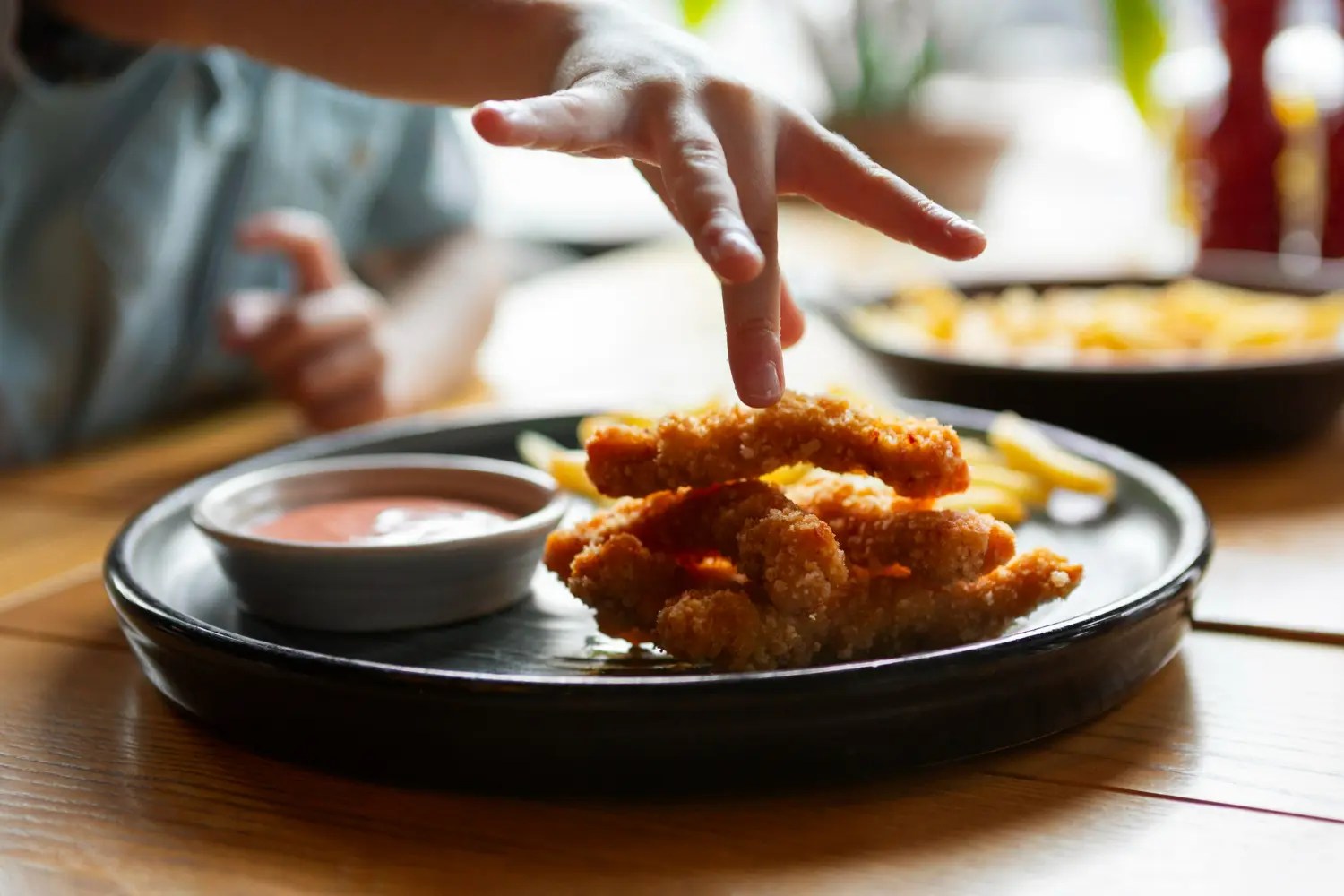
Source: Magnific
When Should You Ask for Help?
You do not have to wait until your child’s eating becomes severe to ask questions.
Start with your pediatrician if you are concerned about your child’s growth, nutrition, swallowing, or overall health. A feeding evaluation may also help when your child’s eating habits consistently interfere with nutrition, development, or everyday family life.
Sense Able Brain works with families throughout the Tampa Bay area, including parents looking for pediatric therapy serving Brandon, FL and occupational therapy serving Oldsmar, FL.
The important question is not whether your toddler is “picky enough” to deserve help. It is whether eating has become difficult enough that you want to understand why.
Sometimes picky eating really is a phase. And sometimes a child’s behavior at the table is telling you that eating is harder for them than it looks.