
Making Halloween Sweet (Not Scary) for Your Child’s Senses
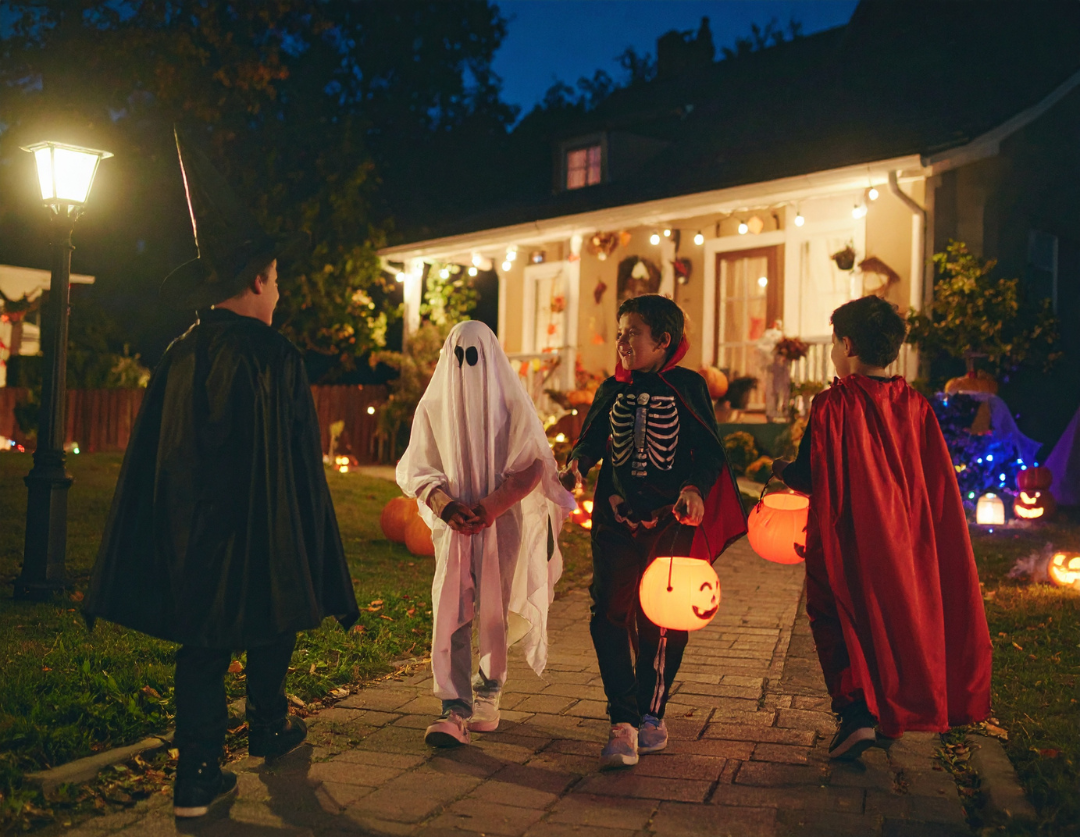
Let’s be honest: Halloween can be a mixed bag—equal parts adorable, chaotic, and just plain loud. Between the flashing lights, costumes that poke in all the wrong places, and a parade of sugar-hyped kids shrieking down the street, it’s no wonder many of our sensory-sensitive kiddos hit overload before you even make it to the third house.
For families walking the road of Sensory Processing Disorder (SPD) or sensory integration challenges, holidays like this can feel… well, tricky. You want your child to experience the fun and community, but you also don’t want the evening to end with tears, meltdowns, or a desperate sprint home (and not the good kind of sprint).
What’s really going on behind the overwhelm?

When a child’s sensory systems aren’t processing information efficiently, the world can feel like a nonstop fireworks show inside their brain. Let’s peek behind the mask (pun intended) for a moment:
- The Vestibular System helps with balance and movement. Jumping, spinning, running — or even being jostled in a crowd — can throw this system off, leaving your child dizzy or dysregulated. Children who seek vestibular input may run off or dart ahead, making it hard to keep pace with the family or group.
- The Proprioceptive System (also called Deep Pressure or Heavy Work) helps your child sense their body in space. Without enough of this input, they might seem clumsy, bump into things, or crave tight hugs and squeezing — their body’s way of trying to “feel” where they are.
- The Tactile System (touch) helps interpret textures and sensations on the skin. That itchy costume tag or sticky pumpkin bucket handle? For some kids, it’s like wearing a sweater made of sandpaper.
- The Auditory System (hearing) can turn a simple neighborhood street into a symphony of chaos — barking dogs, rustling leaves, kids yelling “Trick or Treat!” — all hitting the brain at once.
- The Visual System (sight) can go into overdrive from flashing lights, glow sticks, and the constant motion of costumes and crowds.
- The Olfactory and Gustatory Systems (smell and taste) often join the sensory circus, with everything from plastic mask smells to strong candy scents overwhelming a sensitive nose.
- Interoception helps children recognize what’s happening inside their body — like feeling hungry, thirsty, or needing the bathroom. When this system is off, it’s easy to miss these signals until it’s too late.
When all these systems are challenged, even the sweetest holiday can feel like a marathon for your child’s nervous system.
How sensory overload shows up
You might see your child freeze, cry, bolt, or beg to go home early. Maybe they melt down in a way that feels out of proportion to what’s happening around them — but in their body, it’s not “just candy.” It’s a flood of sensory input that their brain can’t sort efficiently.
And here’s the truth: it’s not a behavior problem. It’s a regulation problem. Their nervous system is shouting for help.
🎃
3 Tips to Help Your Child Enjoy a Sensory-Friendly Halloween
1. Plan Ahead (and Keep It Predictable)

Before the big night, do a quick “practice run.” Let your child see their costume, try it on, and practice saying “Trick or Treat!” or giving out candy. Walk the route in daylight. Predictability helps calm the Vestibular and Auditory systems by removing surprises.
If the costume fabric feels itchy or tight, layer a soft cotton shirt underneath — or try character PJs. Comfort over cuteness — every time.
2. Pack a “Sensory Backpack”

Include noise-canceling headphones (for Auditory overload), a fidget or chewy (for Proprioceptive needs), a weighted lap pad or small stuffed animal that gives deep pressure input, and a snack to keep blood sugar and mood steady. These help the nervous system feel grounded and organized.
And don’t forget water — hydration supports Interoception, helping your child stay tuned in to their body.
3. Give Grace and Exit Early (It’s Okay!)

You don’t have to visit every house. Sometimes the best memories come from handing out candy together, visiting an indoor trick-or-treat event, or joining your church’s Trunk or Treat event. You’re not missing out — you’re choosing peace over pressure.
When you adjust the plan to fit your child’s sensory profile, you’re doing more than surviving the holiday — you’re building trust, safety, and connection for more positive memories.
Because every time your child’s nervous system feels safe, their brain can focus on learning, connecting, and thriving.

Your precious child was uniquely designed by God. They aren’t a problem to be solved, they are having problems that they need help solving.
We’re here to help you find solutions.
~ Your SAB Team
👉 Go here for 3 Easy Steps to Get Started With Us!
We are located in Lutz, Florida in Hillsborough County, in the greater Tampa Bay area.
We serve families throughout Florida through in-office and remote telehealth sessions.