

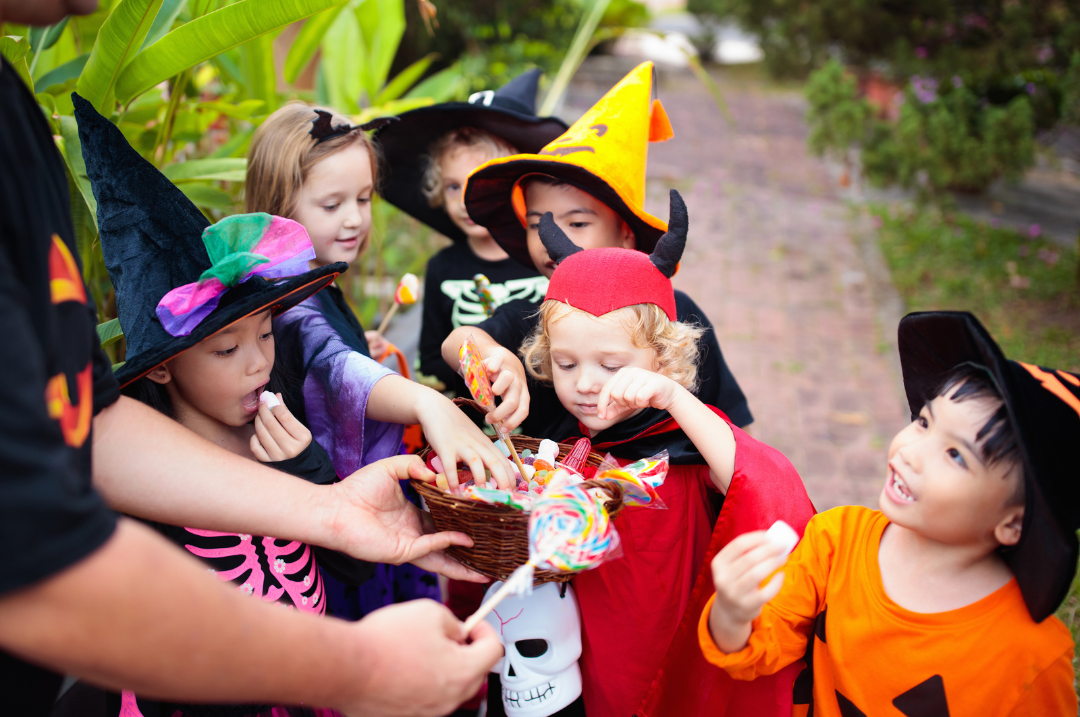
It’s that time of year again—pumpkin buckets, glow sticks, and the smell of chocolate in every grocery store aisle. For many kids, Halloween is pure fun. But for families navigating food allergies, this season can feel more like a haunted house than a happy harvest.
You want your child to join in the excitement, not sit on the sidelines clutching their EpiPen and wondering why they can’t trade candy like everyone else. And as a parent, you’re constantly juggling between wanting to protect your child’s safety and wanting them to feel included. That’s a hard line to walk.
Let’s just say, you’re not alone in re-reading every candy label under the porch light while your coffee goes cold.
The Invisible Fear Behind the Fun
When a child has food allergies—whether it’s peanuts, dairy, eggs, soy, gluten, or anything else—Halloween can bring up layers of anxiety. Kids may feel different, excluded, or even embarrassed to decline a treat. Parents often feel like they have to be on high alert all night, scanning ingredient lists like detectives in disguise.

And here’s what many families don’t realize: food allergies aren’t just about food. They affect how a child’s brain and body respond to stress, safety, and connection. When your child’s body perceives threat—even from a cookie or candy bar—it triggers their nervous system into a state of protection. That’s why meltdowns, tears, or shutdowns can happen even when you think, “But they seemed fine a minute ago.”
From a neurodevelopmental perspective, this stress can ripple into emotional regulation, learning, and even feeding skills. The constant hypervigilance around “Is this safe?” teaches the body to stay tense, cautious, and guarded—especially around food. That’s why it’s so important to help your child feel secure and capable in these moments, not just physically safe.
A Different Kind of Treat

One of our favorite movements is the Teal Pumpkin Project—placing a teal pumpkin on your porch to show that you offer non-food treats. It’s a small gesture with a big message: Every child belongs.
Three Tips for a Safe & Joyful Halloween

1. Create your own “safe stash” before the big night. Let your child trade unsafe items for approved favorites. This builds trust and helps them feel empowered, not deprived.

2. Focus on the fun beyond food. Plan games, decorate pumpkins, or host a “spooky science” night. Encourage your child to enjoy costumes, lights, and laughter—the joy of the moment, not just the candy.

3. Teach inclusion to others—with grace. When neighbors or friends offer unsafe treats, use it as a teachable moment. A simple, “Thank you! We have some allergies, but we love seeing your decorations!” models kindness while maintaining boundaries.
Halloween doesn’t have to be so scary when you’re prepared and surrounded by community. The best “treat” your child can get this season is knowing they are safe, seen, and loved.
We’re here for you.
~ Your SAB Team ❤
Go here for 3 Easy Steps to Get Started With Us!
We’re located in Lutz, Florida (Hillsborough County, Greater Tampa Bay). We serve families throughout Florida with both in-office and remote telehealth therapy sessions.