
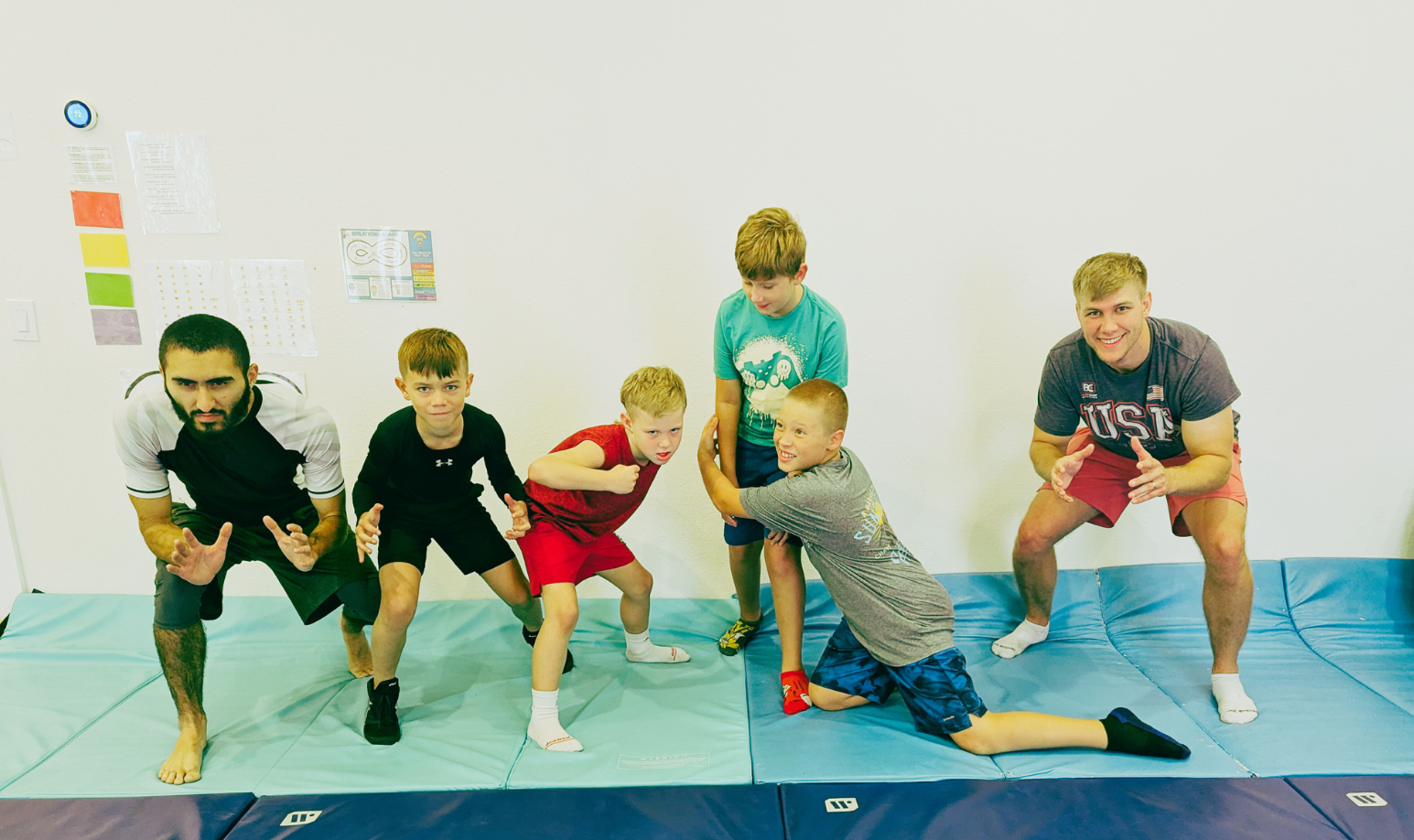
If you’re raising a child with Sensory Processing Disorder (SPD), you know that signing them up for sports isn’t as simple as filling out a form and buying cleats. It can feel more like bracing for battle—you’re not sure if you’ll walk away with smiles or meltdowns. (And sometimes, both happen in the same practice!) But sports don’t just offer physical activity; for a child with SPD, the right sports can unlock emotional regulation, confidence, and even make dinnertime smoother.
Sports, Stress, and the Nervous System
Children with SPD often live in a state of heightened stress—what we call Fight, Flight, or Freeze. Their nervous systems are more sensitive, so whistles, crowds, or the unexpected jostle of a teammate can feel overwhelming. When the body perceives a threat (real or not), the Sympathetic Nervous System cranks up, causing rapid heart rate, shallow breathing, disorganization of thoughts, tummy troubles, and meltdowns. This can sabotage learning, social skills, and even the ability to eat and process food.
But here’s the hope: sports that give calming, organizing sensory input (like deep pressure, rhythmic movement, or predictable routines) can help reset the system. Instead of living in survival mode, kids begin to build resilience and confidence.
Why Some Sports Overwhelm

Team sports like soccer or basketball often overload sensory systems. Imagine:
- Auditory (hearing): whistles, coaches yelling, shoes squeaking.
- Visual (sight): bright lights, fast motion, and crowded fields.
- Tactile (touch): sweaty collisions and unexpected bumps.
- Vestibular (balance): constant running, spinning, and shifting directions.
For a nervous system already on high alert, that’s a recipe for Fight, Flight, or Freeze. It’s no wonder many kids resist—or shut down.
Three Sports That Shine for SPD
1. Wrestling

Surprised? Wrestling can be one of the most regulating sports. It’s constant heavy work (Proprioception), teaching body awareness and boundaries. With structured coaching, kids gain strength, confidence, and even oral-motor stability and control that helps with speech and feeding skills. Wrestling also channels energy for improved self-control so that it (hopefully!) won’t explode at home in a Fight response.
2. Swimming

Water provides deep pressure to the Proprioceptive System (muscles and joints), calming like a full-body hug. It also soothes the Vestibular System (balance and movement) with rhythmic, linear motion. Kids often feel safe and regulated in water—like they’ve been given a “reset button.”
3. Martial Arts

Karate, Taekwondo, or Judo provide predictable routines and respectful environments. Movements support Vestibular balance, Proprioceptive input, and Interoception (internal awareness, like recognizing hunger or calm). Martial arts teach breathing and self-regulation—a natural antidote to the stress response.
Three Tips for Parents at Home
- Use Heavy Work Daily – Activities like pushing laundry baskets, digging in the dirt, or bear hugs stimulate the Proprioceptive System and help calm the Fight/Flight/Freeze state.
- Practice Breath Control – Try blowing bubble volcanoes or blowing cotton balls through straws. Long exhales stimulate the Vagus nerve, shifting the body into a calmer state.
- Offer Predictability and Connection – Sports and home life are easier when kids feel safe. Build routines, give advance notice of changes, reassure them often, and celebrate progress—even if it’s just making it through warm-up without tears.

And Mom, when your kid shows up to karate with mismatched socks and their belt tied like a pretzel, just laugh. You’ve got bigger victories to celebrate.
We’re here for you if you need us.
~ Your SAB Team
Go here for 3 Easy Steps to Get Started With Us!
We are located in Lutz, Florida in Hillsborough county, in the greater Tampa Bay area. We serve families throughout the state of Florida through our in-office therapy sessions and our remote telehealth therapy sessions.