
Your baby isn’t hitting their milestones on time and you’re worried. And you may be wondering why?
One often overlooked cause of a baby’s delayed development is active reflexes.
Reflexes begin to develop in babies very early in the womb. They serve an important purpose in helping the baby’s brain and body develop motor patterns that are the foundation for later coordinated movements. They also help babies develop an adaptive sensory processing system.
When reflexes don’t work as expected, it can sometimes affect their development—but don’t worry! A trained Occupational Therapist or Speech Language Therapist can help; and there are also simple things you can do at home to support your baby’s progress.
What Are Infant Reflexes?
Infant reflexes are automatic movements in response to a sensory stimulus such as touch or movement. Babies are born with these reflexes and they should begin to integrate through the first three years of your baby’s life.
These reflexes include important movements such as sucking, gripping, and the Moro or “startle” reflex when they hear a loud sound or feel a sudden movement. Reflexes are like practice tools that help your baby’s brain and body grow and prepare for more advanced skills, like crawling and walking.
Sometimes, reflexes don’t develop properly, or they “stick around” longer than they should. This can make it harder for your baby to reach important milestones. That’s where support, like Occupational Therapy and these at-home tips, comes in.
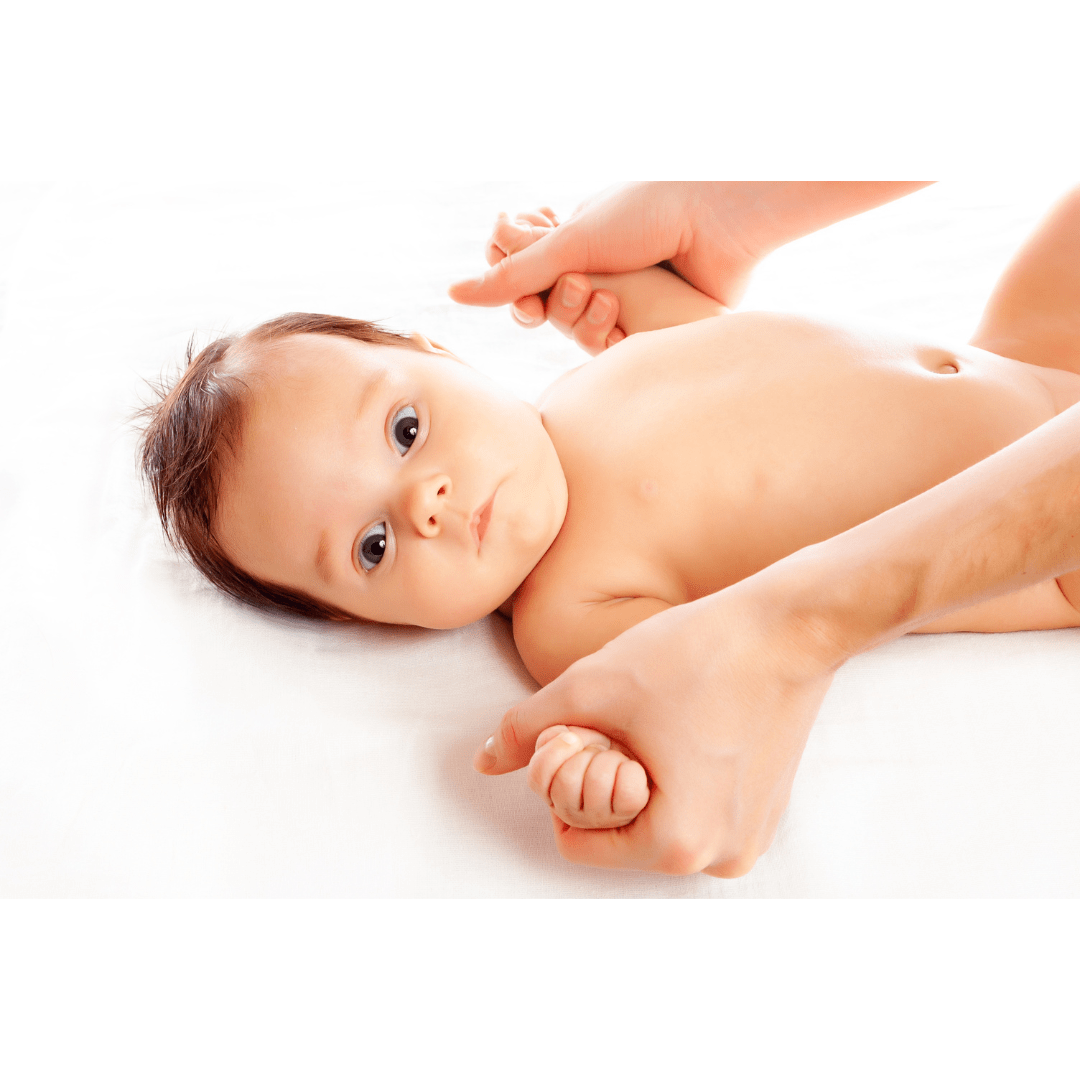
3 Common Reflexes and How You Can Support Them
- Moro Reflex (Startle Reflex)
This reflex happens when a baby hears a loud noise or feels like they’re falling. They throw out their arms and legs, then pull them back in. It usually fades by 4–6 months.
At-Home Tip: Allow your baby to have plenty of freedom of movement. Let them lay on a blanket on the floor and play with a baby gym.. - Babkin Reflex
The Babkin Reflex helps your baby coordinate their eyes, hands, mouth, and feet. These movements are pre-cursors for skills that will help your baby eat healthy foods, learn to write, and be able to read and comprehend.
At-Home Tip: Allow your baby to grasp a variety of items in their hands, bring these items to their mouths, and to alternately gaze at these items and your face. - Palmar Grasp Reflex
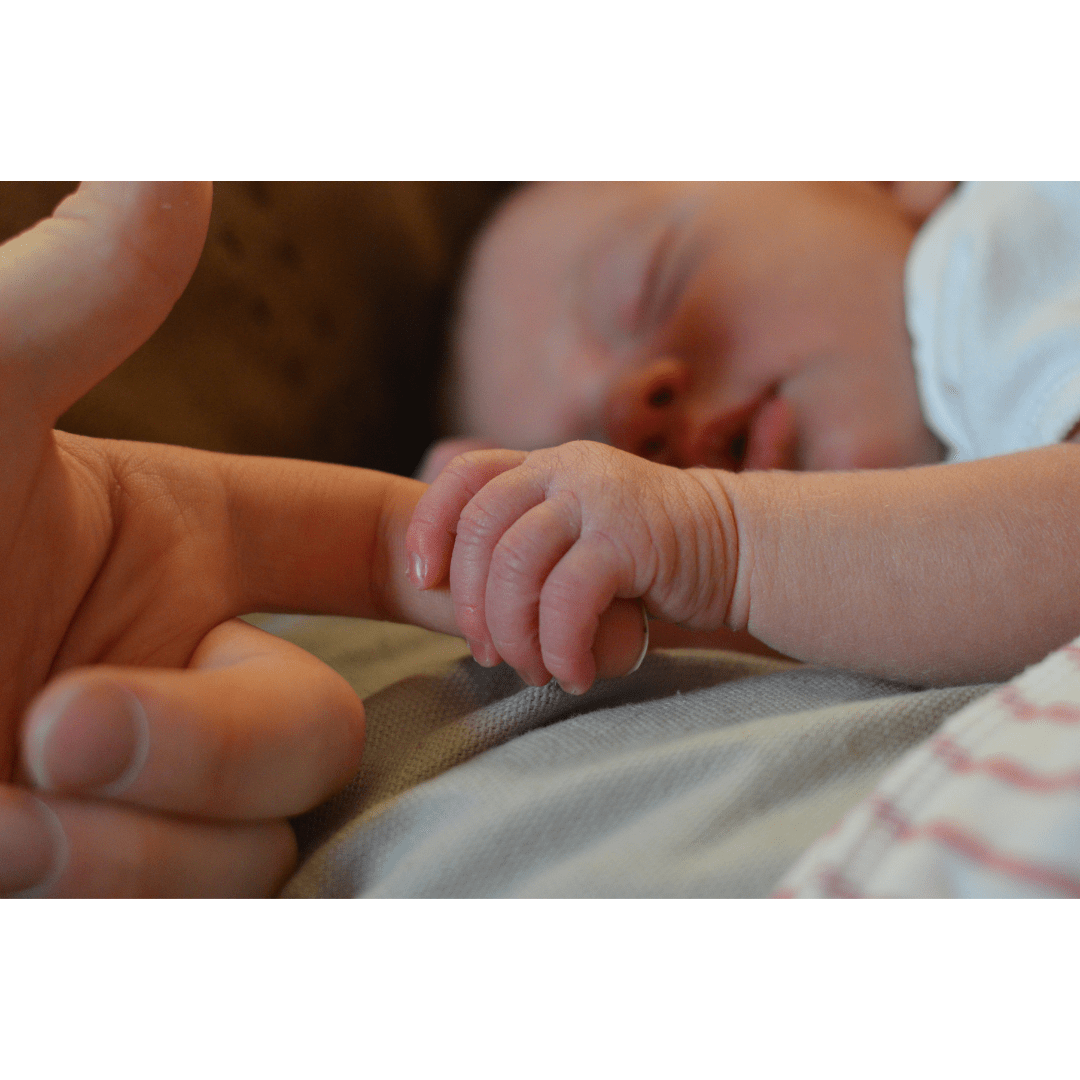
This reflex causes babies to automatically grip anything placed in their palm. It helps lay the groundwork for fine motor skills.
At-Home Tip: Gently open your baby’s hands and encourage them to reach and grab small, safe toys. This helps them transition from automatic reflexes to purposeful movements.
When to Ask for Help
If you notice your baby is struggling with movement or reflexes seem “stuck,” a trained Occupational Therapist or Speech-Language Therapist can evaluate your child’s needs. Therapy can provide gentle, play-based strategies to help your baby develop strong foundational skills.
Remember: Every baby grows at their own pace. With love, patience, and the right support, you can help your precious baby build the skills they need to grow and learn!