
Winter can be a magical time of year, even in places where snow never falls. The cooler weather, festive decorations, and holiday activities offer many opportunities to engage children with sensory processing disorder (SPD) and other motor or neurodevelopmental challenges in enjoyable and therapeutic ways. For children who may be sensitive to changes in routine or overwhelmed by holiday excitement, the key is finding activities that provide rich sensory input while remaining manageable and comfortable.

Here are some sensory-friendly outdoor and indoor winter activities tailored for a no-snow climate:
Outdoor Activities
- Winter Nature Walks
- Sensory Benefits: A winter nature walk provides calming visual and auditory input from the environment, as well as proprioceptive input from walking on various terrains like dirt paths, grass, or sand. Even in warmer climates, winter often brings unique sights like holiday lights or seasonal foliage.
- How to Make it Work: Plan your walk during quieter times of the day to avoid overstimulation. Encourage your child to notice the sounds of birds, rustling leaves, or the feeling of cool air on their skin. You can make the walk more interactive by collecting small items like leaves or pebbles to explore textures and engage fine motor skills. Consider using this Nature Walk Bingo Card to we created for you to encourage your child’s attention to their surroundings. It lists things to look for on the walk, as well as icons to help your child get ready to go. You can download your freebie card at the end of the post!
- Holiday Light Displays
- Sensory Benefits: Viewing holiday light displays can provide calming visual input and be a fun way to celebrate the season without overwhelming other senses. The soft glow of lights can be soothing for many children with sensory sensitivities.
- How to Make it Work: Choose smaller, less crowded light displays or drive-through light shows to avoid the sensory overload of large crowds. You can also visit light displays early in the evening when it’s quieter, allowing your child to take in the lights at their own pace. Bring along sensory tools like noise-canceling headphones if needed. Pro-tip: consider avoiding displays with strobe lights, too many blinking lights, and/or bring sunglasses or a hat for your child to obstruct lights that they perceive as too bright.
- Outdoor Obstacle Course
- Sensory Benefits: Setting up an outdoor obstacle course provides proprioceptive input (from jumping, crawling, and balancing) and vestibular input (from swinging, climbing, or spinning). This helps children with sensory challenges regulate their sensory systems while burning off extra energy.
- How to Make it Work: Create a simple winter-themed obstacle course in your backyard or a nearby park. Use items like cones, pool noodles, or outdoor play equipment to design an engaging and physically stimulating course. Encourage your child to move through the obstacles in ways that feel comfortable—whether it’s hopping like a reindeer or pretending to skate between the cones.
- Holiday-Themed Scavenger Hunt
- Sensory Benefits: A scavenger hunt combines visual input with proprioceptive and tactile exploration. Walking and bending to search for items helps with motor coordination, while finding objects provides a sense of achievement and focus.
- How to Make it Work: Create a holiday-themed scavenger hunt by hiding items like small ornaments, wrapped presents, or nature objects around your yard or neighborhood. Use pictures, a checklist, or our Bingo Card that we have attached to guide your child in finding each item, giving them time to explore at their own pace. You can even incorporate sensory items into the hunt, like soft fabrics or scented objects, to provide additional sensory experiences.

Indoor Activities
- Winter-Themed Sensory Bins
- Sensory Benefits: Sensory bins provide tactile input and help improve fine motor skills through hands-on play. A winter-themed bin might include items like cotton balls, rice, or pom-poms to mimic snow, as well as small holiday-themed toys, figurines, or decorations.
- How to Make it Work: Create a sensory bin filled with soft, cool materials that your child can scoop, pour, or manipulate with their hands. Add small toys like plastic snowflakes, miniature reindeer, or pinecones for sensory exploration. You can even add a calming scent, like lavender or vanilla, to help create a soothing atmosphere while they play. Or consider scents of the season like Pumpkin Spice or peppermint!
- Baking Winter Treats
- Sensory Benefits: Baking engages multiple senses, including smell, taste, and touch, while also providing valuable fine motor input from mixing, rolling, and pouring. The warm scents of winter spices like cinnamon and ginger are both comforting and stimulating for many children.
- How to Make it Work: Choose simple recipes with textures your child enjoys, such as sugar cookies, muffins, or gingerbread. Let them participate in hands-on tasks like measuring ingredients, mixing dough, rolling out cookie shapes, or sprinkling decorations. For children with oral sensitivities, focus on the tactile, visual, and olfactory (smell) aspects of baking rather than the eating process.
- Holiday Crafts for Fine Motor Skills
- Sensory Benefits: Crafting offers a fun way to engage fine motor skills through cutting, gluing, and assembling materials. Crafts also provide tactile input and give children the opportunity to express themselves creatively in a structured environment.
- How to Make it Work: Set up simple holiday crafts, like making paper snowflakes, decorating felt ornaments, or building a gingerbread house. Use materials that are sensory-friendly for your child’s processing needs. This might include soft felt, textured paper, rough burlap, or fluffy cotton balls to reduce the risk of dysregulation. Let your child choose the level of involvement based on their sensory preferences—some children may enjoy the hands-on assembly, while others might prefer watching the process.
- Indoor Obstacle Course with a Winter Theme
- Sensory Benefits: An indoor obstacle course provides opportunities for proprioceptive and vestibular input, which helps regulate a child’s sensory system while improving motor coordination and focus.
- How to Make it Work: Use pillows, chairs, and blankets to create a winter wonderland obstacle course in your living room. Have your child crawl through tunnels (made of chairs and blankets), jump over pretend snowdrifts (pillows), and tiptoe around “ice patches” (pieces of paper taped to the floor). Keep it simple and allow your child to explore at their own pace.
- Winter-Themed Sensory Playdough
- Sensory Benefits: Playing with scented or textured playdough provides valuable tactile input and helps improve hand strength and fine motor skills. Adding a winter scent or theme can make it extra engaging for children.
- How to Make it Work: Create or buy winter-themed playdough with scents like peppermint or pine. Offer your child cookie cutters, rolling pins, or other tools to shape the playdough into winter shapes like snowmen or trees. If your child is sensitive to strong smells, stick to unscented dough and focus on the tactile experience.
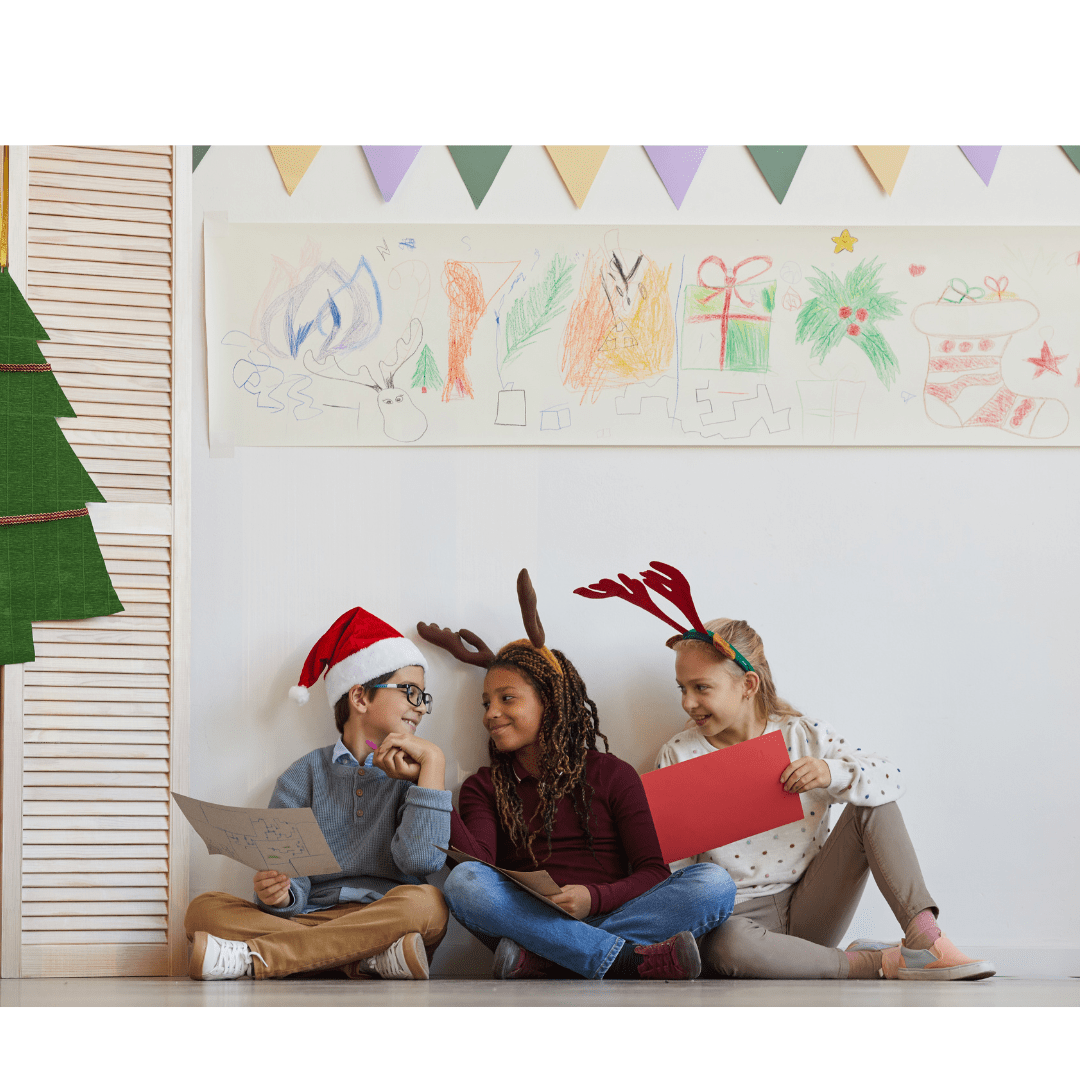
Tips for Sensory-Friendly Winter Activities
- Prepare Ahead of Time: Before starting any activity, talk to your child about what to expect. Use visual schedules, social stories, or pictures to help them feel ready for new sensory experiences.
- Keep it Flexible: Allow your child to take breaks when needed and provide a quiet space where they can relax if they start feeling overwhelmed. Give them control over how long they participate in each activity.
- Follow Their Lead: Let your child explore the activities at their own pace. Some kids may prefer to observe, while others might want to jump right in. Tailor each activity to their sensory needs and comfort level.
- Expect the mess: Child’s play tends to be messy, and that is OK! The mess is often beneficial for their learning and development. Encourage them to participate in the clean-up and praise their efforts so that they want to continue to help in the future.
- Have the camera ready! These childhood moments are fleeting. Make sure you capture them so you can revisit these precious moments with your child when future days seem challenging.
Winter can be a time of warmth, coziness, and connection—no snow required! By incorporating these sensory-friendly activities, you can help your child enjoy the season in a way that is both comfortable and engaging. Whether it’s exploring holiday lights, crafting, or baking treats, these experiences can be a wonderful way to provide sensory input while making lasting memories.
Click below to download our Winter Bingo Freebies, and have fun!